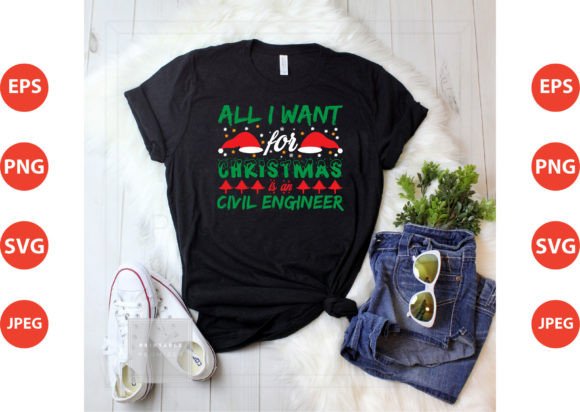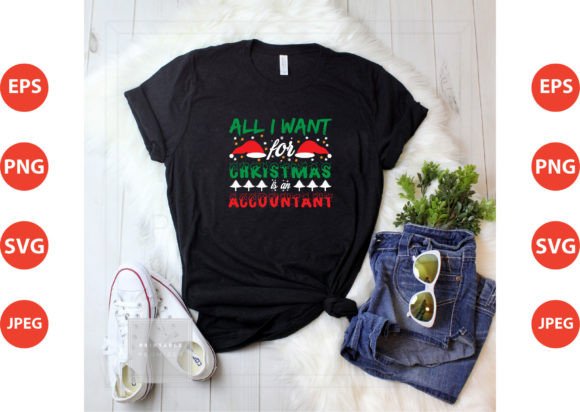
Review: I Want for Christmas is an Accountant Design
As a designer who has spent years digitizing patterns and testing machine embroidery design files on everything from delicate baby onesies to heavy canvas tote bags, I have learned that not all graphics translate well to thread. When I first encountered the I Want for Christmas is an Accountant concept, my initial reaction was one of cautious curiosity. It is a humorous, niche-specific theme that relies heavily on typography and seasonal charm. For embroidery professionals and Etsy sellers, the challenge is always determining whether a graphic intended for sublimation or print can hold its integrity when converted into stitches.
This review evaluates the practical application of this design in real-world embroidery project scenarios. We are looking beyond the digital preview to understand how this Graphics asset performs when placed under the needle, considering stitch density, fabric interaction, and final product appeal.
First Impressions and Visual Personality
The mood of this design is playful yet professional, targeting a specific demographic with a sense of humor about their profession during the holiday season. Visually, it balances festive elements with clear, readable text. In the context of T-Shirt Designs, such layouts are common, but embroidery requires a different eye. The success of this piece depends on the clarity of the lettering and the simplicity of any accompanying icons, such as calculators, spreadsheets, or holiday motifs.
For a craft business owner, the visual personality here is a strong selling point. It is not just a generic holiday item; it is a personalized statement. This specificity increases the perceived value of the handmade product. However, from a technical standpoint, I immediately look at the potential for small details. If the original file contains thin lines or tiny text, these may need adjustment before stitching to prevent thread breaks or poor coverage.
Real-World Application: The Holiday Gift Scenario
Let us consider a realistic scenario. A client approaches you for a custom personalized gift for their spouse, who is an accountant stressed about tax season but excited for the holidays. They want something cozy and funny. You decide to use this design on a high-quality fleece sweatshirt. This is a classic use case for sweatshirt embroidery.
In this context, the design needs to be large enough to be legible from a distance but compact enough to fit comfortably on the chest or upper back. The thread colors you choose will define the success of the project. A traditional red and green palette might feel too cliché, whereas using navy, silver, and white could give it a modern, sophisticated look that appeals to a professional audience. The contrast between the thread and the fabric is critical. If the sweatshirt is dark, you must ensure the design uses sufficient satin or fill stitches to cover the background without becoming too dense and stiff.
Another viable option is a sturdy canvas tote bag design. Accountants often carry laptops and files, making a durable bag a practical gift. Here, the durability of the stitch becomes paramount. You would likely need a heavier stabilizer to support the weight of the bag and the tension of the embroidery. The design’s layout must avoid areas where the bag folds or stretches excessively, ensuring the text remains readable even when the bag is in use.
Technical Considerations for Stitching
When working with any digital file, especially those originally created for print or sublimation, you must assess the stitch density. If you are digitizing this yourself from the provided SVG or EPS files, pay close attention to the lettering. Small serif fonts can be problematic in embroidery. You may need to simplify the font or increase the size to ensure each letter forms correctly. Using a running stitch for outlines and a light fill stitch for larger areas can help maintain flexibility in the fabric.
Hoop size is another critical factor. Before starting, confirm that your design fits within your machine’s maximum hoop dimensions. If the phrase is long, you might need a rectangular hoop. Always test the design on scrap fabric first. This step allows you to check for puckering, thread breaks, and color accuracy. If you are using a pre-digitized embroidery file, verify that it has been optimized for the specific fabric type you are using. A design that looks perfect on cotton might pucker badly on a synthetic blend if the stabilizer is not chosen correctly.
For textured fabrics, such as terry cloth towels or ribbed knit caps, the design may need additional underlay stitches to anchor the top threads. Without proper stabilization, the intricate details of the holiday elements might get lost in the fabric’s texture. Always inspect small details after the test run. If certain parts of the design look sparse or uneven, adjust the density or change the stitch type to a denser satin stitch where appropriate.
Where to Use Caution
While this design is versatile, there are situations where it should be used carefully. Avoid placing complex, detailed versions of this design on stretchy fabrics like spandex or thin jersey without extensive stabilization. The movement of the fabric can distort the text, making it unreadable. Similarly, be cautious with curved surfaces like baseball caps. The curvature can warp the perspective of the text, so you may need to arc the design slightly during the digitizing process to compensate.
Dense stitch areas can make garments uncomfortable to wear, especially if placed on the chest or back of a shirt. If the design includes large solid blocks of color, consider breaking them up with lighter fill patterns or leaving small gaps to allow the fabric to breathe. This also reduces the risk of the fabric pulling or tearing over time. For items that require frequent washing, such as kitchen towels or baby clothes, ensure that the thread quality is high and that the stitches are secure to prevent unraveling.
Enhancing Product Value and Brand Consistency
Using a well-executed version of I Want for Christmas is an Accountant can significantly boost the perceived value of your small shop product. It shows attention to detail and an understanding of your customer’s identity. For commercial embroidery projects, consistency is key. Ensure that your thread colors match your brand palette or the client’s preferences exactly. High-quality presentation, including neat trimming of jump stitches and proper pressing, enhances the professionalism of the finished product.
When creating listings for your online store, use high-resolution images that show the texture of the stitches. A good printable mockup can help customers visualize the design on different products, but nothing replaces a photo of the actual embroidered item. Highlight the quality of the materials used, such as premium thread and soft fabrics, to justify your pricing. This transparency builds customer trust and encourages repeat business.
Practical Notes for Designers
- Test on Scrap Fabric: Always run a test stitch-out to check for issues before committing to the final garment.
- Check Thread Contrast: Ensure the thread colors stand out against the fabric background for maximum readability.
- Review Stitch Density: Adjust density to prevent stiffness, especially on wearable items.
- Confirm Hoop Size: Make sure the design fits your machine’s capabilities without requiring re-hooping.
- Inspect Small Details: Zoom in on the digital file to identify any tiny elements that may not stitch well.
- Use Proper Stabilizer: Match the stabilizer type to the fabric weight and stretchiness.
- Verify Licensing: Since the product description mentions formats like EPS, SVG, and PNG, confirm whether the license allows for commercial use of the stitched items. The description states it is for creating products such as sublimation T-shirts, mugs, and bags, but explicit embroidery rights should be verified with the seller.
In conclusion, the I Want for Christmas is an Accountant design offers a charming opportunity for niche marketing during the holiday season. By paying attention to technical details and choosing the right materials, you can create a high-quality custom apparel item or accessory that delights your customers. Whether you are an experienced embroidery designer or a hobbyist looking to expand your design assets, this piece rewards careful preparation and thoughtful execution.