The Husband Did It: A Designer’s Review for Embroidery Projects
As an embroidery designer who has spent years digitizing patterns and reviewing assets for commercial use, I approach every new file with a mix of curiosity and skepticism. We have all been there: downloading a trendy graphic only to find it falls apart under the needle or lacks the versatility needed for a professional finish. Today, I am taking a close look at The Husband Did It, a design that has been circulating among crafters and small business owners. This is not just a quick glance; this is a practical evaluation of how this asset holds up when moved from the screen to the sewing machine.
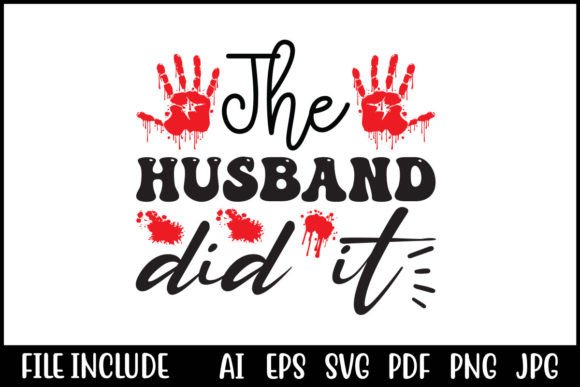
The first impression of The Husband Did It is one of playful irony. The phrase itself carries a humorous weight, instantly suggesting a narrative of domestic mishaps or proud, albeit accidental, contributions to household chaos. Visually, the layout appears balanced, with a typography style that leans into bold, readable characters. For an embroidery project, this is crucial. Delicate, thin scripts often get lost in fabric texture, but the structural integrity here suggests it will stitch out cleanly. The mood is lighthearted, making it an ideal candidate for personalized gifts, particularly for spouses, fathers, or anyone with a sense of humor about home life.
Real-World Application: From File to Fabric
To truly evaluate a design, you must imagine it in situ. I recently considered using The Husband Did It for a custom embroidered apron project. Aprons are high-visibility items, often gifted for holidays or housewarmings. The design’s horizontal orientation fits perfectly across the chest bib of a standard apron. When visualizing the stitching, I looked for potential issues with density. If the letters are too thick, the fabric may pucker; if too thin, the background fabric might show through. Based on the provided vector formats like AI and EPS, the lines appear solid enough to support a standard satin stitch or a tight fill stitch, depending on the size.
Beyond aprons, this design shines in the realm of custom apparel. Imagine it stitched onto a heather grey sweatshirt. The contrast between the soft, textured fabric and the crisp embroidery threads would create a tactile appeal that printed graphics simply cannot match. For Etsy sellers and handmade shop owners, this versatility is a major selling point. You are not limited to one product type. The same digital embroidery file can be adapted for tote bags, pillow covers, or even tea towels. The key is understanding how the design interacts with different fabric textures. On a smooth cotton towel, the stitches will pop with clarity. On a fluffy fleece blanket, you may need to adjust your stabilizer choice to ensure the letters remain legible.
Navigating Technical Constraints and Hoop Sizes
One of the most critical aspects of reviewing any machine embroidery design is assessing its scalability. The Husband Did It comes with editable files, which is a significant advantage. However, "editable" does not always mean "infinitely scalable without consequence." If you plan to shrink this design for a baby onesie or a small embroidered patch, you must be cautious. Tiny lettering can become a nightmare for machines, leading to thread breaks and bird nests. I recommend testing the design at your intended size on scrap fabric before committing to your final garment.
For those working with curved surfaces, such as caps or hats, the layout requires careful hooping. The width of the text needs to fit within the curvature of the cap front without distorting. If you are using a standard cap frame, check the dimensions against your hoop size. Additionally, consider the stitch density. High-density fills on a structured cap can cause the material to stiffen uncomfortably. A running stitch outline or a lighter fill might be more appropriate for headwear, ensuring comfort alongside aesthetics.
Fabric choice also plays a pivotal role. Dark fabrics require careful thread color selection to ensure readability. While the design is color changeable, allowing you to swap hues easily, remember that contrast is king. A dark thread on a black shirt will vanish. Conversely, bright threads on white cotton can sometimes look harsh if the stitch definition is too sharp. Always test your thread colors against your fabric swatches. This step is non-negotiable for professional results.
Commercial Viability and Brand Consistency
For commercial embroidery professionals and digital product sellers, the value of The Husband Did It lies in its marketability. Humor sells. It creates an emotional connection with the buyer, turning a simple piece of cloth into a conversation starter. When listing this as part of your T-Shirt Designs or Graphics collection, emphasize the quality of the mockup included. The product description notes high-quality JPG mockups with transparent backgrounds. These are essential for creating compelling listings on platforms like Etsy or Shopify. A good mockup helps customers visualize the finished product, increasing conversion rates.
However, professionalism extends beyond the image. It involves reliability. The inclusion of AI, EPS, SVG, PDF, and PNG files suggests a comprehensive package. The vector files (AI, EPS, SVG) are particularly useful if you need to resize the design for large-scale printing or vinyl cutting, expanding your product line beyond embroidery. The 300 dpi PNG and JPG files are suitable for sublimation or direct-to-garment printing, offering flexibility for mixed-media shops. This multi-format approach supports brand consistency, allowing you to offer matching embroidered and printed items.
Practical Notes for the Serious Crafter
Before you load this design into your machine, keep these practical tips in mind. First, always use the correct stabilizer. For stretchy fabrics like jersey knits used in t-shirts, a cut-away stabilizer is often necessary to prevent distortion after washing. For woven fabrics like linen or cotton, a tear-away may suffice. Second, inspect the small details. Look at the corners of the letters in the preview. Sharp corners can be tricky for embroidery machines; ensure your digitizing software has properly compensated for pull and push factors if you are editing the file yourself.
Third, consider the care instructions. Embroidered items, especially those with dense stitching, require gentle washing. Inform your customers about this to maintain the longevity of their personalized gift. Finally, verify the licensing terms. While the product offers editable files, always confirm whether the license allows for unlimited commercial sales or if there are restrictions. Clear licensing protects your craft business and ensures you can sell your finished products with confidence.
In conclusion, The Husband Did It is a strong contender for your design library. It balances humor with visual clarity, offering versatility across various apparel and home decor items. By paying attention to hoop sizes, fabric textures, and stitch density, you can transform this digital asset into a high-quality, tangible product that delights customers and enhances your brand reputation. Whether you are creating a holiday gift or stocking your small shop, this design deserves a spot in your rotation, provided you approach it with the technical care it deserves.