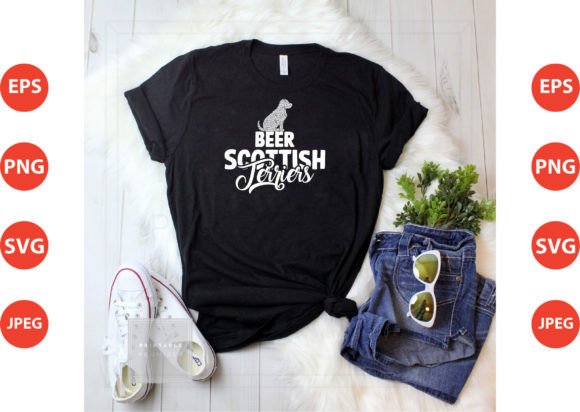
Review: Beer Scottish Terriers SVG Design
As a designer who spends half my life digitizing and the other half stitching, I have learned that not every cute graphic translates well to thread. We often browse marketplaces looking for that perfect machine embroidery design, hoping it will elevate our next batch of custom orders. Recently, I took a close look at the Beer Scottish Terriers SVG Design. It is listed under T-Shirt Designs and categorized as Graphics, but my interest lies in how this specific asset performs when pulled from a digital folder into an actual embroidery hoop.
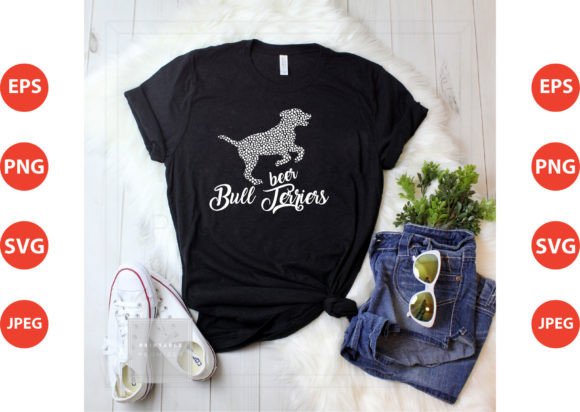
The first impression is one of playful charm. The combination of a Scottish Terrier—a breed known for its distinctive silhouette and spirited personality—with a beer motif creates an immediate sense of humor and relaxation. For an embroidery professional, the initial visual check is about line weight and complexity. Does the design rely on tiny, fragile details that will break under tension? Or does it have bold, confident shapes that will stitch out cleanly? This design leans toward the latter, which is a promising sign for durability and visual impact on finished goods.
Real-World Application: The Custom Tote Test
To truly evaluate any embroidery file, you have to imagine it on a product. I pictured this design on a heavy-duty canvas tote bag, a popular item for craft fairs and boutique shops. The dark, solid shape of the Scottie dog provides excellent contrast against natural cotton or linen fabrics. When I visualize the stitching, the beer element adds a pop of color that draws the eye without overwhelming the primary subject.
This kind of imagery works exceptionally well for personalized gifts. Imagine a customer ordering a set of matching items for a friend’s birthday or a groomsmen gift. The Beer Scottish Terriers SVG Design fits naturally into the category of lifestyle embroidery. It is not just a logo; it tells a small story about leisure and loyalty. For an Etsy seller or small shop owner, this narrative quality increases the perceived value of the handmade product. It moves beyond simple decoration into the realm of character-driven design.
Stitching Performance and Fabric Considerations
When translating a graphic intended for sublimation or print into an embroidery project, we must consider stitch types. While the source files include EPS, SVG, and high-resolution PNG formats, the embroidery outcome depends heavily on how the design is digitized or adapted. If you are using this as a reference for manual digitizing, pay close attention to the stitch density.
The Scottish Terrier’s fur texture presents a unique challenge. In embroidery, we cannot simply "print" fur. We must simulate it using satin stitch borders and fill stitch interiors. A common mistake with dog designs is over-complicating the fur, leading to a stiff, cardboard-like result. My advice is to keep the fill light and use directional stitching to suggest texture rather than defining every hair. The beer mug or glass element should likely utilize a clean satin stitch border to maintain sharp edges, contrasting nicely with the softer texture of the dog.
Fabric choice is critical. This design would shine on medium-weight cotton twill, denim, or stable polyester blends. These fabrics provide enough support for the stitches without puckering. However, caution is needed with stretchy fabrics like jersey knits used in t-shirts. Without proper stabilization, the weight of the design could cause the fabric to warp. Always use a cut-away stabilizer for garments that will be washed frequently, ensuring the finished product retains its shape and professionalism.
Navigating Technical Constraints
One of the most important aspects of reviewing a design like this is identifying where it might fail. The Beer Scottish Terriers SVG Design appears to have a compact layout, which is generally good for smaller hoops. However, if you plan to stitch this on a cap or a curved surface, you must check the width against your hoop size. Caps have limited flat space, and a design that is too wide will distort around the curve.
Additionally, consider the level of detail in the beer element. If the design includes small text or intricate foam details on the beer, these may not stitch out clearly at smaller sizes. Tiny lettering and fine lines are the enemies of embroidery. If the original graphic has minute details, you may need to simplify them before digitizing. Test the design on scrap fabric first. Run a test stitch-out to see if the thread colors blend too much or if the contrast is sufficient. A black dog on a navy shirt, for example, might disappear unless you use a lighter thread for outlining or choose a different garment color.
Commercial Viability and Brand Consistency
For commercial embroidery professionals, consistency is key. This design offers a versatile aesthetic that can fit into various product lines, from sweatshirt embroidery to kitchen towels. Its playful nature makes it suitable for holiday gifts, particularly for Father’s Day or casual summer collections. The versatility of the provided formats—EPS, SVG, and PNG—means you can also use this asset for printable mockups or marketing materials, even if you are not embroidering every single item.
However, clarity on licensing is essential. The product description mentions usage for creating products like sublimation t-shirts, mugs, and bags. As a designer, I always advise verifying the specific license terms before selling design assets or finished items. Ensure that the license covers commercial use for physical goods if you plan to sell embroidered patches, aprons, or baby embroidery items. Clear licensing protects your craft business and builds trust with your customers.
Final Designer Notes
In conclusion, the Beer Scottish Terriers SVG Design is a strong candidate for various embroidery applications, provided you approach it with technical care. It has the visual personality to engage buyers and the structural simplicity to stitch out well if handled correctly. Here are my final recommendations for anyone planning to use this design:
- Test on Scrap Fabric: Always run a test stitch to check tension and density.
- Check Contrast: Ensure the thread colors stand out against the fabric texture.
- Simplify Details: Remove any tiny elements that may not stitch cleanly.
- Use Proper Stabilizer: Match the stabilizer to the fabric weight and stretch.
- Verify Licensing: Confirm commercial rights before selling finished products.
By treating this graphic not just as a picture, but as a blueprint for thread, you can create high-quality, professional-looking items that customers will love. Whether you are making a single personalized gift or a large batch for your small shop product line, thoughtful execution is what separates a good design from a great embroidered piece.