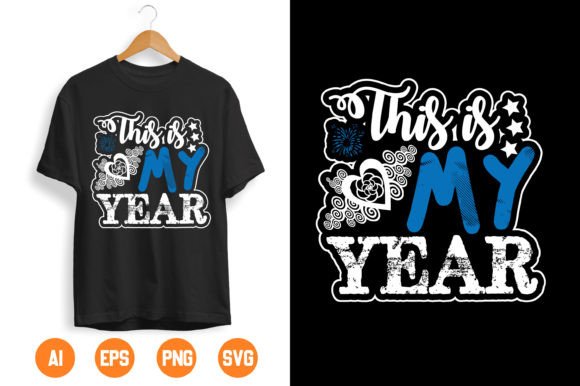
Reviewing the HAPPY NEW YEAR Design for Embroidery
As a designer who spends more time staring at stitch previews than I do sleeping, I have learned that not every graphic translates well to thread. When I first pulled up the HAPPY NEW YEAR design file, my initial reaction was one of cautious optimism. The phrase is ubiquitous this time of year, flooding social media feeds and retail shelves, but finding a version that feels fresh rather than generic is a challenge. This particular asset, categorized under T-Shirt Designs and Graphics, presents itself as a versatile option for the holiday rush. But does it hold up when you move from the screen to the sewing machine? I decided to put it through its paces to see if it deserves a spot in your commercial embroidery lineup.
First Impressions: Mood and Visual Personality
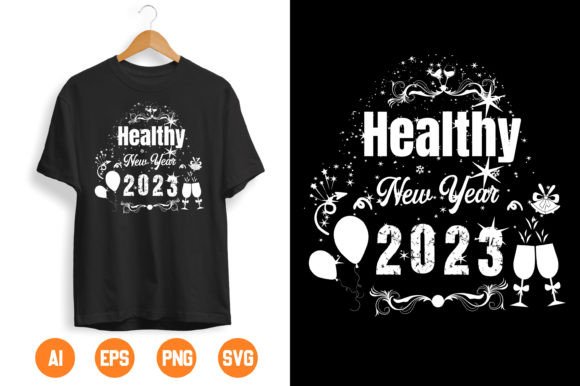
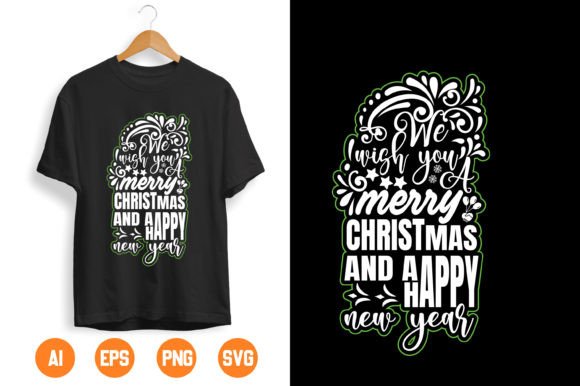
The layout of the HAPPY NEW YEAR text carries a celebratory weight without feeling overly cluttered. In the digital preview, the letterforms appear balanced, suggesting a design that relies on clean lines rather than excessive ornamentation. For an embroidery project, this is often a blessing. Overly complex graphics can turn into a nightmare of thread breaks and puckering, especially on stretchy fabrics. The visual personality here leans towards modern festivity. It does not scream for attention with chaotic elements; instead, it offers a structured elegance that could easily bridge the gap between casual wear and boutique-quality home decor.
I appreciated the simplicity because it allows the texture of the thread to do the heavy lifting. When you are working with a machine embroidery design, the interplay between light and shadow created by the stitches is what gives the product value. A design that is too busy often loses this nuance. This graphic seems to understand that restraint, making it a strong candidate for items where subtlety is preferred over flashiness.
Real-World Application: From Screen to Stitch
To test the viability of this design, I imagined a specific real-life scenario: a small batch of custom sweatshirts for a local boutique’s New Year’s collection. The goal was to create a piece of custom apparel that felt premium, not like a cheap promotional giveaway. I loaded the file into my software to simulate the stitching process. The transition from the provided SVG and EPS formats into a usable embroidery file required some standard digitizing adjustments, which is expected since this is primarily a graphic asset.
For sweatshirt embroidery, the fabric texture is thick and plush. I found that the bold nature of the HAPPY NEW YEAR lettering would stand out beautifully against a heather grey or deep navy fleece. The key here is stitch density. If you are converting this graphic yourself, you must ensure that the fill stitch coverage is sufficient to cover the fabric pile without being so dense that it causes the garment to stiffen. A satin stitch border around the letters could add a nice finished look, enhancing the perception of quality.
Beyond apparel, I considered how this design would perform on a tote bag design. Canvas is a forgiving medium, but it requires robust stabilization. Using this graphic on a heavy-duty cotton tote creates a lovely handmade product that customers love for grocery runs or gym bags. The horizontal layout fits perfectly across the center or lower third of a bag, offering high visibility without overwhelming the item’s structure.
Navigating Technical Challenges
While the design is strong, there are areas where caution is necessary. Any experienced embroidery designer knows that small details are the first to suffer during production. If you plan to use this on smaller items, such as a baby embroidery project on a onesie or a delicate kitchen towel, you must scrutinize the scale. The spacing between the letters needs to be wide enough to prevent the threads from merging into a solid blob, especially after washing.
Curved surfaces present another hurdle. Applying this to a cap or hat requires careful hooping and potentially splitting the design if the curvature is extreme. The straight lines of the text might distort if not stabilized properly with a cut-away stabilizer. Furthermore, if you are working with dark fabric, you need to pay close attention to thread colors. A low-contrast choice, such as dark green on black, will render the HAPPY NEW YEAR message invisible from a distance. Always test your thread color combinations on scrap fabric before committing to the final product.
Another consideration is the format. Since you receive AI, EPS, SVG, PNG, JPEG, and Mock files, you are essentially getting a print-ready graphic package. This is excellent for sublimation or direct-to-garment printing, but for embroidery, you will likely need to digitize it or use an auto-digitizing feature with heavy manual cleanup. Do not assume the SVG will stitch perfectly out of the box. Check the stitch count and direction manually to ensure smooth coverage.
Commercial Value and Brand Consistency
For Etsy sellers and craft business owners, the appeal of this design lies in its versatility. It fits seamlessly into the holiday embroidery niche, allowing you to create personalized gifts that feel timely and relevant. Whether you are making embroidered patches for jackets or pillow covers for living room refreshes, the design maintains a professional appearance. This professionalism builds customer trust. When a buyer sees clean, crisp lettering on a finished product, they perceive higher value, which can justify a higher price point.
Moreover, using a consistent graphic style across different products helps with brand consistency. If your small shop product line includes both mugs and t-shirts, having a unified HAPPY NEW YEAR theme ties your inventory together. The included mockup files are particularly useful here. They allow you to create compelling digital embroidery file previews for your online listings without needing to photograph every single physical sample immediately. This saves time and helps you gauge customer interest before producing large batches.
Practical Notes for the Designer
Before you launch this into your production queue, take a moment to review the technical specifics. Since the product description lists it as a graphic for various prints, confirm the licensing terms for commercial embroidery. Some graphic licenses differ from embroidery-specific licenses. Ensure you have the right to sell finished items made with this design.
- Test on Scrap Fabric: Always run a test stitch-out on the same material you intend to use for the final product. This reveals issues with tension and density.
- Check Stabilizer Choice: Use a tear-away for stable woven fabrics like towels, and a cut-away for knits like t-shirts and hoodies to prevent distortion.
- Inspect Small Details: Zoom in on the corners of the letters. Sharp corners may need to be slightly rounded in the digitizing process to prevent thread buildup.
- Contrast is Key: Verify that your thread colors pop against the fabric. High contrast ensures readability and visual impact.
- Hoop Size Compatibility: Ensure the design fits within your available hoop sizes. If it is too large, you may need to resize it, which could affect stitch quality.
In conclusion, the HAPPY NEW YEAR design is a solid addition to your library of design assets. It offers a clean, festive aesthetic that works well across a variety of mediums, from custom apparel to home decor. While it requires thoughtful digitizing and testing to ensure optimal stitch quality, its versatility and visual appeal make it a worthwhile investment for the holiday season. By paying attention to fabric texture, stabilizer choice, and thread contrast, you can transform this simple graphic into a standout embroidered piece that delights customers and enhances your brand’s reputation for quality.